
Cartoonist • Illustrator • Graphic Designer • Website Designer
After 23 wonderful years of working with clients, I’ve retired.
For a limited time, you can still browse a selection of my work.
Thank you for your trust, support, and encouragement over the years!







Graphic Designer Portfolios




My Mission
Throughout several decades of providing illustration services as a freelance cartoonist, children’s book illustrator, cartoon illustrator, cartoon character designer, comic book illustrator, and even illustrating realistic food, Malane Newman has kept her passion alive and thriving. Of course, help to maintain her full time freelance cartoonist and illustrator endeavors comes from her incredible graphic design and website designer skills and services. She works extremely hard at continually learning, developing, and mastering the services she offers.
Malane Newman strongly believes that giving a great service is as important, if not more important than the artwork itself. She makes it her mission to ensure each of her clients feel as if they are her ‘million dollar client’. No matter the size of the project. She strongly feels it’s very important to be honest, trustworthy, reliable and transparent. And Malane always strives to devote the best service she possibly can at all times. In some cases her clients have even become her friends over the years.
1. Freelance Cartoonist for Hire
Los Angeles based freelance cartoonist for hire, Malane Newman, works remotely with clients in the USA from a home-based office. Malane is dedicated and passionate about cartoon illustration and has been honing her skills as a freelance cartoonist since early childhood. She experienced emotional hardship at an early age and found comfort and solace in her cartoon art. Illustrating bright and cheerful worlds plus her wish for happily ever after have become a driving force that fuels her obsession and love of cartooning in every form.
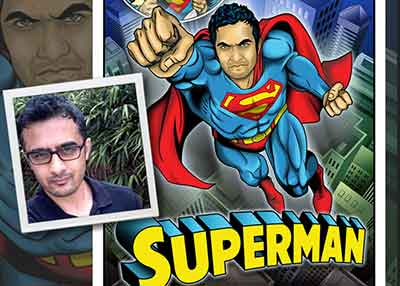
Originally she began her freelance cartoonist career using traditional mediums and then gravitated to cartooning and illustrating on computers around 1990 bringing about a perfect marriage of her two passions. Malane’s evolution through her long freelance cartoonist career has helped her to become versatile in different cartooning styles such as Disney, Japanese Anime, Hanna Barbera, Comic Book Style, and more.
She is also a long-standing member of the National Cartoonists Society (NCS) and has taught both public and private classes in Cartooning such as Drawing Japanese Anime (Manga), and Famous Character Cartooning. Although she no longer teaches freelance cartoonist lessons, she offers many free cartooning tutorials on this site.
Malane has worked as a freelance cartoonist on PS Magazine as a Lead Cartoonist and was heralded as the “First Female Lead Illustrator” in the history of its all-cartooned monthly magazine since its beginning in 1951.
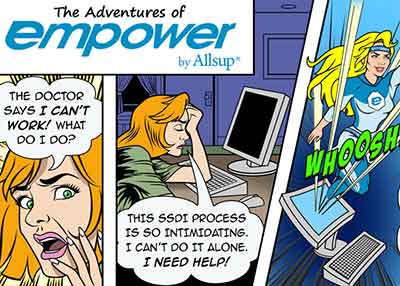
Malane now works as a multi-faceted freelance cartoonist for hire offering cartoon services in a number of areas that include children’s art & cartoon Illustration, cartoon and mascot character design, licensed character cartooning, and children’s book illustration. Below we have outlined some of the distinct services and accomplishments she has achieved in the various freelance cartoonist for hire roles.
– Children’s Art Illustrator
Being enthusiastically passionate about visual storytelling in her cartoon illustration, Malane’s freelance cartoonist career has ranged between very cartoony to semi-realistic cartoon drawing styles making her illustration abilities very versatile and adaptive to almost any style you need.
She has become a master at illustrating eye candy by painting elements in brilliant color and highlighting elements with lighting, shadows, and accent lighting.
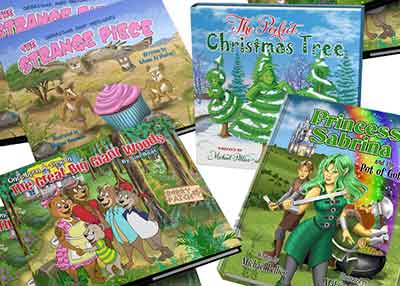
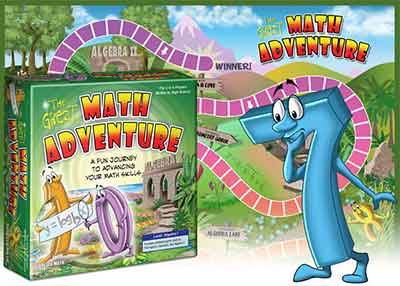
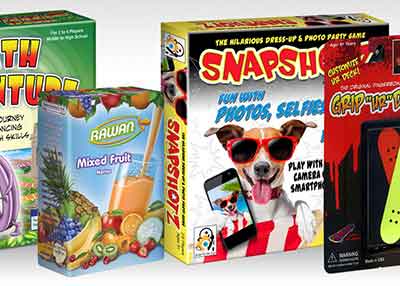
As a long-time freelance cartoonist, Malane’s cartoon illustrations appear on food packaging, board games, children’s books, greeting cards, newspapers, coloring books and other consumer products.
– Character Designer
Throughout the years, Malane has extended her range of talent to include freelance cartoonist services as a character designer, designing expressive and relatable cartoon characters as business mascots, principal characters in children’s books, product mascots, and more.
The character design process involves conceptualizing skills, and collaborating with the client. It can get complicated depending on how much you want to flush out the character, but with Malane’s lifelong career experience as a freelance cartoonist she has the ability to walk you through this exciting creative process step by step. In the end, you will have a believable and relatable character to represent your goods or services. At the end of the project, the rights to the character(s) will transfer to you.
– Licensed Character Cartoonist
In an effort to develop her illustration skillsets as a freelance cartoonist for hire, Malane has practiced drawing different cartoon styles which has led her to provide freelance cartoonist services as a licensed character illustrator. She has worked on Barbie Magazine and as a colorist on Barbie; A Fashion Fairytale storybook. Additionally Malane provided freelance cartoonist services for Swan Princess Properties where she was asked to make an illustration of both main characters from their original Swan Princess Feature Film that is used today as the model for future animations.
There have been other unique opportunities for Malane to work as a licensed character cartoonist with a project that involved illustrating King Feature’s Popeye and Olive Oyl licensed characters.
– Children’s Book Illustrator
As a visual storyteller, Malane celebrates and embraces the whole creative process and provides illustration services as a children’s book illustrator; developing the drawing style, conceptualizing the story environments, designing the protagonist, antagonist, and other secondary characters, sketching the different critical moments in the story, and finally illustrating the final art to visually represent the story in full color and glory.
Altogether she works closely with the author from initial sketches through the final artwork to the final crescendo of bringing the author’s characters and story to life as an illustrated children’s book. This can also include Malane’s graphic designer services as a book designer. In this role, she will design the front and back covers, design the different page templates, layout the book with the artwork, front and back matter, and finally, export the commercial press-ready files for print.
2. Freelance Illustrator for Hire
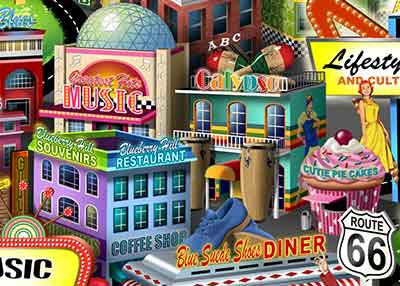
Malane Newman is a professional illustrator for hire who began as a traditional illustrator and evolved to providing services as a digital illustrator many years ago. She provides services as a digital illustrator. She has drawn photo-realistic illustrations for fruit juice containers and farm landscapes for milk packaging targeted toward adult and children audiences alike. As a professional digital illustrator, the subject matters have varied; food illustrations, landscape illustrations, portraits, illustrations of domestic and wild animals, product illustrations, and medical illustrations to name a few.
3. Graphic Designer for Hire
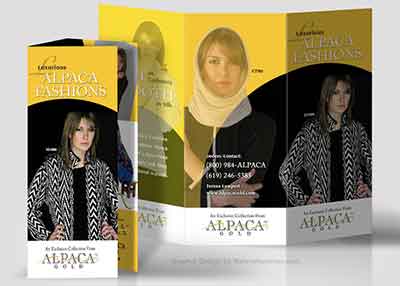
Malane Newman started her long diversified career as a traditional graphic designer for print and evolved to being a digital graphic designer about two decades ago. Professional graphic designers like Malane know that it is not enough to make your marketing pieces look good, they need to be designed to speak to your target audience, designed with a clear marketing message, and graphically designed with a cohesive brand across all your marketing pieces. As a professional graphic designer, Malane Newman designs company branding, logos, business cards, brochures, sales sheets, tradeshow signage, newsletters, advertisements, and postcards. Additional graphic design services include book jackets and book covers, clothing tags, menus, online animated banners and more.
4. Website Designer for Hire
Malane Newman is a professional website designer whose experience designing and developing websites spans over 20 years designing for Fortune 500 companies. Now Malane is a website designer for smaller businesses giving them the same credibility as the Fortune 500. With an extensive background as a website designer across multiple industries, she specializes in designing desktop and mobile websites, ecommerce and business websites. Malane Newman is different from other website designers who are primarily programmers; she is a professional designer who knows how to write the code behind the website pages and has been working directly with her clients as a website designer and developer for over 14 years. Additional services include website hosting, internet marketing, video integration, blog setup and customization, WordPress websites, and flash animation.